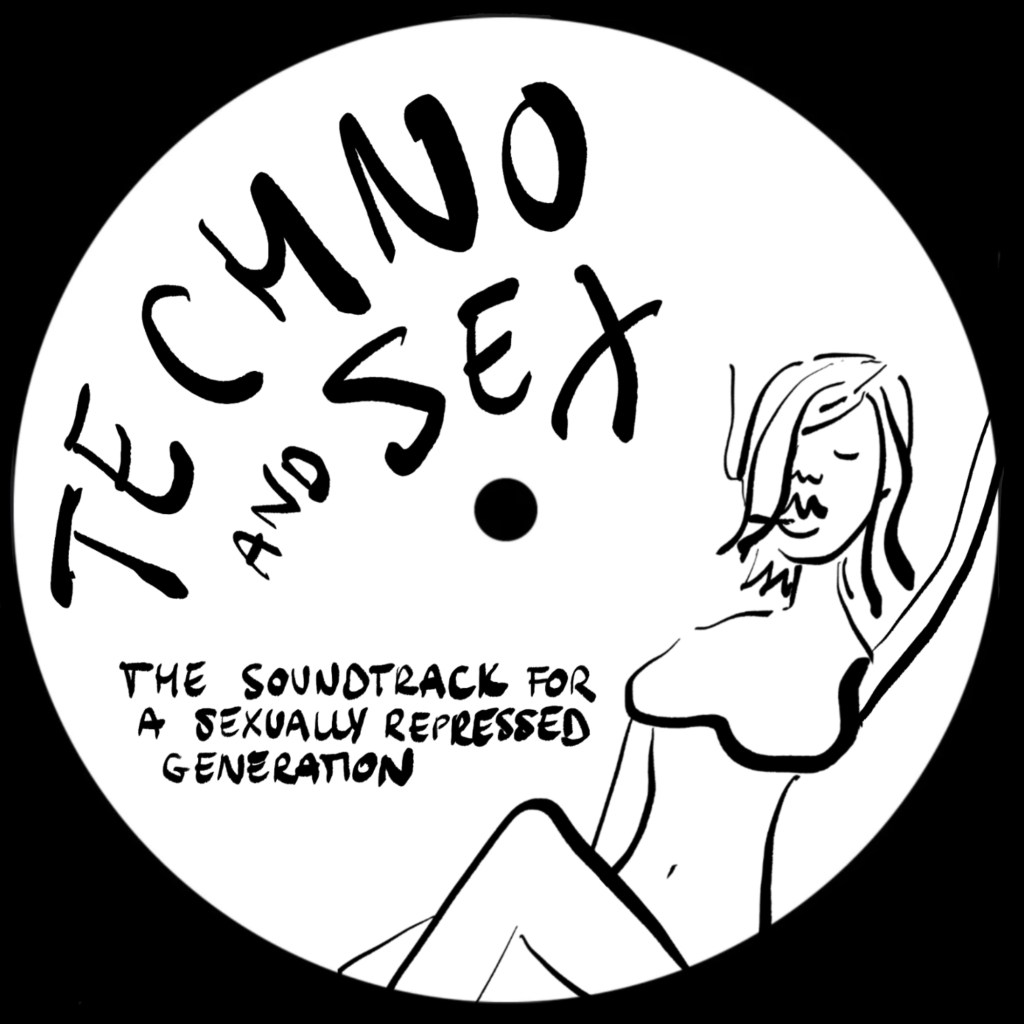
Bodies drenched in sweat will grind against each other when under a strobe light, whether the setting is a dingy basement or an abandoned factory. The music allows us to express our deepest desires with our bodies, becoming almost primitive. Yet electronic music’s intimate technological relationship has impacted how we interact with the subculture.
Technology used to be seen as something cold. A robot was something logical, detached, unable to understand love or pain. Yet modern technology has allowed for ‘the tinman to get a heart’. The line has blurred, as we get lonelier every day and rely on an AI chat for pseudo-human relationships. Our need for connection grows but our understanding of it becomes more detached. In our isolation we have been left vulnerable and confused, as our bodies crave natural human interactions. Technology is now a major part of what sex is, removing the intimacy of it all. Such a cultural shift has bled into the development of electronic music, which has always had cultural input in the ideas of sexuality that circulate within our society.
Electronic music has been associated with sex from the beginning of its popularity. In the 19th century, women were advised to avoid it due to the potential for them to be ‘physically overstimulated’. Later in the 20th century, pornographic films used electronic music to soundtrack scenes as it maximised eroticism. Sounds were curated to create sensual rhythms that allowed actors to use movements that further sold the fantasy. Artists have continued doing this, with EDM pioneering a beat drop that emulates a climax and increased tempos to keep your body moving quickly and closely. There is an immediate link with sex when one listens to techno music. Many disc jockeys nowadays mix tracks that include sexually explicit lyrics; approving of BDSM, non-monogamy and fetishes.
Accompanied with recreational drug usage which takes place during the listening, the perfect conditions are created for a sex fuelled environment. The drugs that often accompany this atmosphere accelerate the process of sexual exploration. Some are more directly linked with sexual activity (such as ‘poppers’ which are used in preparation for physical acts) whereas others simply encourage human interaction. These stimulants lower the mental barriers which would normally inhibit an individual outside this environment. Raves become a “sexual counter space” where people are protected from patriarchal and capitalist ideals. They are free from the self-policing of everyday life, which has inhibited them from indulging in their sexual fantasies. Whilst some may view this as an escapist space, others see it as an almost spiritual experience – basically a techno utopia. No longer needing to worry about how they are perceived, this is a space of understanding. The drugs taken encourage dancers to get close, for their hearts to beat quicker, and make them walk along a line of innocence and vulnerability – open to new scenarios and senses of self.
Perhaps it is unfair to call this generation sexually repressed, when the facts are that we are having less sex. Whilst the list of reasons of why this is happening is very long*, sex is a basic primal hunger that we need to explore. Raves become a central space of experimentation. On a Friday night you are able to escape your responsibilities and experience every form of pleasure you have deprived yourself of at once. All the while electronic music is playing in the background to soothe your mind with something familiar, whilst you try something not all that familiar. Our generation has a dependence on technology that no other stage of humankind has ever had. We have been raised on algorithms and now that we’re free in the world, we are unable to detach ourselves from this. With pornography, sex robots and dating apps; for some people sex is strictly technical. We try to break the isolationist patterns with temporary spaces of connection, but still need techno playing in the background to keep us plugged in.
What is created is not real but for a moment it feels like it might be. Although I’m addressing the musical genre as the backdrop to sexual exploration, it goes beyond supporting the physical act and becomes more of a way to understand personal identity. The repetitive electronic sounds force us into an almost meditative state. In this moment of reflection we forget our utter loneliness whilst listening to some good music.
*pornography, sex toys, dating apps, social isolation, antidepressants, overworking, delayed adulthood, physical insecurities, political/economic issues, post-pandemic living, avoidance of bad sex, misogyny, sex robots, fetishes, climate change, pace of modern life, poverty, sexual trauma, hookup culture, decision paralysis, masturbation, religion, etc.
 threehundredand10